
Texas Sheet Cake Recipe
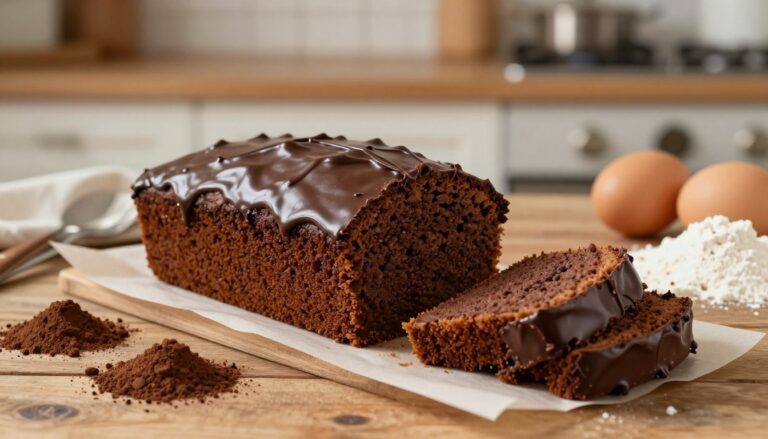
I’ll set expectations right away: this is a no-layer, no-fuss chocolate cake that bakes fast, feeds a crowd, and vanishes even faster. You’ll get a classic sheet approach plus a warm-pour frosting that gives a glossy, fudgy top.
I’ll show the core trick: a hot cocoa-and-butter mix that boosts chocolate flavor and keeps the crumb tender. Active prep takes minutes, bake time is quick, and the only real pause is letting the frosting set so slices hold together.
This post breaks down pan choices, butter type, and the nuts-or-no-nuts call so you feel in control before you preheat. Think ultra-moist cake with a high frosting-to-cake payoff—perfect for potlucks, birthdays, or a weeknight win.
What Makes Texas Sheet Cake So Famous (and So Easy)
Think big pan, thin layer, and a dangerously generous frosting-to-cake ratio—that’s the idea here.
This style is not just a cake in a rectangle. A sheet cake bakes faster because it’s thinner. That shorter bake time gives you more frosting per bite, which is the whole point for many fans.
When people say texas sheet they’re usually pointing to size and indulgence, not an exact origin story. The larger pan means party-sized slices and a higher frosting-to-cake ratio that makes each bite extra decadent.
Blooming cocoa for deeper chocolate
The secret step is simple: briefly boil cocoa, butter, and water, then pour that hot mix into the dry ingredients. Boiling helps the cocoa dissolve and intensifies chocolate flavor.
Sheet cake vs. a layered chocolate cake
A layered chocolate cake needs stacking, crumb coats, and precise assembly. A sheet cake skips those chores. You get fewer steps, less fuss, and still a party-ready finish.
Pan choice matters
Pick a half-sheet, jelly-roll, or 9×13 pan and adjust bake time. Thinner layers mean a tighter bake window, so watch for visual doneness rather than relying only on time.
- Thinner layer = quick bake and more frosting coverage.
- Brief boil (about 30 seconds) deepens cocoa flavor.
- Pan size controls yield and texture—choose by crowd size.
Ingredients and Tools You’ll Need for a Classic Texas Sheet Cake

Before you preheat, stock the counter with the handful of ingredients that make this pan shine. That way the hot cocoa step is calm and fast.
Dry ingredients
In one bowl mix cups all-purpose flour, sugar, baking soda, and salt. Measure the flour by spooning into the cup and leveling it—too much flour dries the crumb.
Wet ingredients
In another bowl gather butter, buttermilk, eggs, vanilla, and water. Buttermilk gives a tender, tangy lift; eggs add structure and richness.
Chocolate essentials
Use unsweetened cocoa powder or Dutch-process cocoa for depth. The hot-water bloom step unlocks flavor for either powder choice.
Pan options and tools
| Pan | Typical bake time | Thickness |
|---|---|---|
| jelly roll pan / roll pan | 15–20 min | thin |
| 9×13 sheet pan | about 25 min | medium |
| half sheet pan | 15–20 min | varies |
Must-have tools: mixing bowl, whisk, saucepan, spatula, and a wire rack. Ready these before you start so you’re not scrambling.
Easy swaps
No buttermilk? Stir 1 tablespoon vinegar into a cup of milk and let it sit a minute—then use it like buttermilk in the batter.
Texas Sheet Cake Recipe: Step-by-Step Chocolate Cake Method
Warm the oven and your confidence—this method turns simple ingredients into a glossy, crowd-pleasing sheet in under half an hour. Start by preheating to 350°F so the batter meets steady temperature the moment it goes in.
Prep: oven temperature, pan prep, and why it bakes fast
Set the oven to 350°F. Choose your pan based on crowd size; a larger pan gives a thinner layer and shorter bake time. Lightly spray or line the pan if it eases your mind (many versions release fine thanks to the butter).
Make the hot cocoa-butter mixture
In a saucepan, melt butter, whisk in cocoa and water, and bring the mixture to a brief boil (about 30 seconds). That heat blooms the cocoa and deepens flavor—then remove from heat so you can pour without scrambling eggs.
Mixing order and avoiding overmixing
Combine dry ingredients in one large bowl. Pour the hot cocoa mixture over the dry mix and stir lightly. In a separate bowl whisk buttermilk, eggs, and vanilla, then fold into the batter until just combined. Stop when streaks disappear—overmixing makes the crumb tough.
Bake time cues
Bake 15–25 minutes depending on pan size; start checking early. Use a toothpick: pull it when you see moist crumbs, not wet batter. Let the sheet rest briefly before pouring warm frosting.
Fudgy Chocolate Frosting Poured Over Warm Cake

Here’s the part that turns good into unforgettable: a hot, silky frosting poured while the sheet is still warm. That heat helps the glossy top spread, sink into crumbs, and set into a fudgy layer people fight over.
Cook the frosting in a saucepan for a smooth finish
In a saucepan, melt butter and whisk in cocoa or cocoa powder until smooth. Warm milk a little, then add it and a few tablespoons of powdered sugar. Stir until the mixture looks like liquid fudge.
Timing, pouring, and the set stage
Pour the warm frosting over the warm pan in one smooth motion. Less spreading means fewer crumbs and a prettier top. As it cools for a few minutes, the surface forms that thin, shiny crust that feels nostalgic.
Optional pecans for crunch
If you want crunch, chop and toast pecans for about eight minutes at 350°F, then fold them into the frosting or sprinkle on top. No judgment if you skip them—walnuts or no nuts at all are fine.
Pro Tips for a Moist, Decadent Sheet Cake Every Time
Little habits in the kitchen make the biggest difference when you want a moist, crowd-pleasing sheet every time. Below are practical fixes I use to avoid dry slices, collapsing centers, and flat flavor.
Prevent a dry cake
Measure flour carefully—use a kitchen scale for best results. Too much flour dries the crumb quickly.
Start checking a few minutes early. Look for moist crumbs, not wet batter, and pull the pan when they appear.
Prevent sinking
Stop mixing once the batter looks combined. Overmixing whips air in, which can cause the center to rise and then collapse.
Keep the oven door closed in the first crucial minutes so heat stays steady.
Flavor upgrades and butter choices
Want deeper chocolate? Add a bit more cocoa. A pinch extra salt brightens the whole pan.
If you use unsalted butter, add about 1/4 teaspoon salt per stick to match salted butter’s balance.
| Issue | Common Cause | Quick Fix | Time Impact (minutes) |
|---|---|---|---|
| Dry crumb | Too much flour | Weigh flour; check early | −3 to −5 |
| Sunken center | Overmixing or door open | Fold gently; close oven | 0 to +5 |
| Bitter or flat | Weak cocoa/salt balance | Double cocoa; add salt | 0 |
| Overbrowned bottom | Dark pan color | Use a light-colored pan | −2 to −4 |
Make-ahead note: the cake keeps well for a couple days if you wrap it tightly. For more tested ideas and related recipes, see the best chocolate sheet cake.
Slice, Serve, and Store Your Texas Sheet Cake Like a Pro
Wait until the glaze is tacky, then slice with a warm, sharp blade for perfect portions. Wipe the knife between cuts for bakery-neat edges and tidy squares.
Serve slightly warm with a scoop of vanilla ice cream for that hot-fudge vibe without extra fuss. It’s an instant crowd-pleaser.
Store the pan covered tightly with plastic wrap or foil at room temperature for about three days. In humid kitchens, refrigerate (well wrapped) to keep it fresh a few days longer.
Want to freeze? Wrap unfrosted pieces in plastic, then foil, and freeze up to three months. Thaw at room temperature and frost just before serving.
For more tips and a tested guide, see the best texas sheet cake guide.