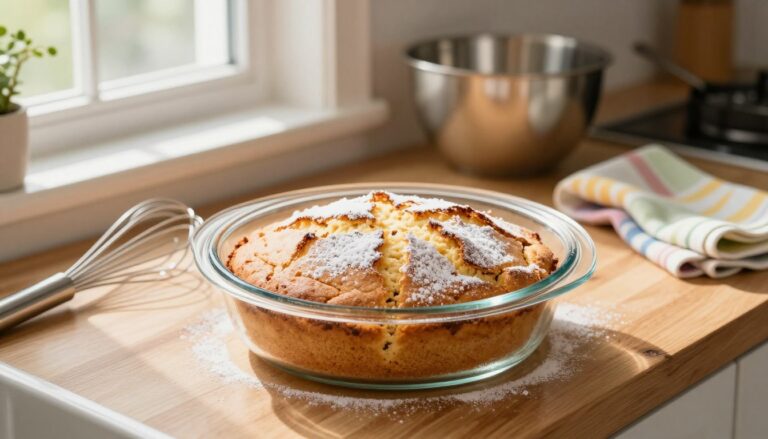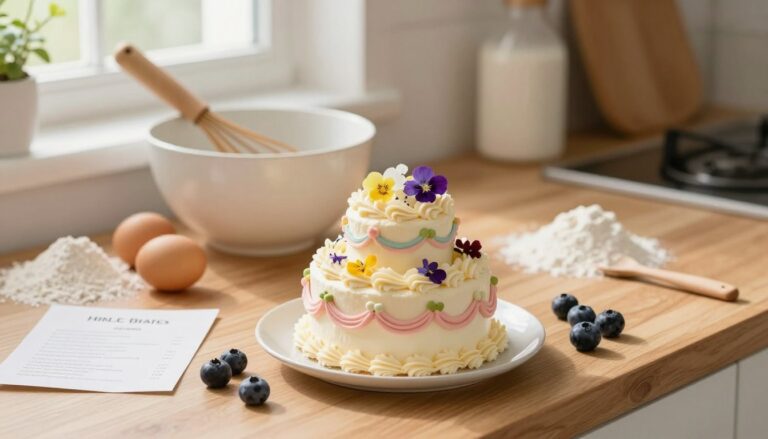

Can You Bake A Cake Without Eggs
I promise a quick reassurance: yes — a fluffy, sliceable, bakery-style treat is possible even eggless. I’ll walk through a from-scratch vanilla method and a super-fast box-mix shortcut for nights when time wins.
Two main paths live in this post: pantry swaps (condensed milk plus an acid, or yogurt) and smart box-mix swaps that keep texture light. I explain what batter should look like, how to avoid overmixing, and simple tests for doneness.
People land here for common reasons: egg allergy, running out of eggs, or a preference for eggless baking. I write for US kitchens (°F and common pan sizes), with quick metric notes when they help.
Expect practical, tested cues and a troubleshooting teaser for dry, dense, or sticky results so confidence hits before preheating. Let’s get to a reliable recipe and a speedy fix for instant cravings.
Yes—Here’s Why Eggless Cakes Still Rise, Set, and Slice Clean
Egg-free versions rise and slice clean when the science is set up right. I’ll explain what eggs usually do in batter and how smart swaps recreate that support so the final cake looks and tastes great.
What eggs do: Eggs bind water and fat into a stable batter, add proteins that set into structure, and trap air for lift. Missing that support can leave a cake crumbly, flat, or gummy if recipes don’t compensate.
The eggless engine: condensed milk or plain yogurt gives body and tenderness. An acid (vinegar or lemon) reacts with baking soda to make bubbles. Baking powder adds backup lift. Together these ingredients create aeration and a firm set.
Watch the bowl: once acid hits the wet mix the mixture often looks bubbly—your cue to mix gently and bake right away. With correct flour, leaveners, and cooling, the cake will slice cleanly. Think of this method as different, not missing.
| Role | Egg | Eggless Replacement |
|---|---|---|
| Bind & moisten | Protein + yolk | Condensed milk or yogurt |
| Lift | Trapped air in foam | Acid + baking soda, plus baking powder |
| Structure when set | Coagulated proteins | Correct flour ratio and cooling time |
Can You Bake A Cake Without Eggs Using Common Pantry Substitutes?

A few smart swaps from the pantry will keep the batter light and the crumb tender. I’ll show quick, reliable choices so you can bake confidently when traditional ingredients are missing.
Condensed milk plus acid as a binder
Sweetened condensed milk plus 1 tablespoon vinegar or lemon juice works wonders. The milk adds richness and structure while the acid activates baking soda for lift.
Use this for a vanilla-style cake when you want classic flavor and simple prep.
Plain yogurt for fast swaps
Plain yogurt substitutes easily in box mixes — about 1/4 cup can replace up to three eggs. It’s tidy, keeps the crumb moist, and saves time.
Leaveners and fat choices
Baking soda needs acid; baking powder already contains acid. They are not interchangeable if you want a proper rise in eggless batters.
Oil usually yields a moister crumb; butter adds that bakery-style flavor. Pick oil for snack cakes and butter for flavor-forward layers.
| Role | Best Option | Why |
|---|---|---|
| Binder | Condensed milk + acid | Richness and activated lift |
| Quick swap | Plain yogurt | Convenient, moist, good for mixes |
| Fat | Butter or oil | Butter = flavor; oil = lasting moisture |
For a tested egg-free vanilla cake, try the detailed egg-free vanilla cake recipe linked here for exact measurements and timing.
Eggless Vanilla Cake From Scratch: Ingredients and Smart Prep
Start by gathering the right lineup of ingredients so the batter behaves and the crumb turns out tender. Pull dairy and butter to room temperature for a smooth mix and steady rise.
Room temperature matters
Room temperature ingredients combine faster and need less mixing. Less mixing means a lighter crumb and fewer tunnels.
Flour choice and measuring
All-purpose flour works fine, but cake flour bakes lighter and gives a bakery-style crumb. If you want soft, airy slices, reach for cake flour.
Measure flour by fluffing, spooning into the cup, and leveling, or weigh it for zero drama. Too much flour is the fastest route to a dry, dense cake.
Pan prep and mixing setup
Grease the cake pan, line the bottom with parchment paper, and use a 7-8 inch pan for even baking and clean release.
Use a roomy mixing bowl and a sieve for the dry ingredients to keep the batter airy and simple to combine.
- Key ingredients: flour, leaveners, salt, sweetened condensed milk, water (or milk), melted butter, vanilla, vinegar/lemon, sugar.
| Prep Step | Why it matters | Quick tip |
|---|---|---|
| Room temperature ingredients | Smoother mixing, better rise | Take out 30–60 minutes before starting |
| Flour choice | Cake flour = lighter crumb | AP flour works; sift for lightness |
| Measuring flour | Prevents dry, dense results | Fluff, spoon, level or weigh |
| Pan prep | Clean unmold and even bake | Grease, line with parchment paper, use 7–8 inch pan |
Step-by-Step Method: Make Batter, Bake, and Cool Completely
Follow this clear, timed method to make batter, bake, and cool with confidence. I keep the steps tight so the oven and pan do their parts and the final slice looks and tastes home-bakery good.
Preheat and prep
Preheat oven to 350°F (180°C) and leave it on for at least 15 minutes so the temperature is steady. Set the rack in the center for even browning.
Sift the dry ingredients
Sift flour, baking powder, baking soda, and salt into a bowl. Repeat sifting if you want an airier crumb and fewer dense pockets.
Combine the wet ingredients
In a separate bowl mix condensed milk, water, melted butter, vanilla, then vinegar. Stir until smooth, then stop. This order helps the mixture activate the leaveners once combined with dry ingredients.
- Fold wet into dry gently until you no longer see dry flour — avoid overmixing to prevent sticky texture and tunneling.
- Pour into the cake pan, smooth the top, then tap the pan on the counter a few times to release large air bubbles.
- Bake on the center rack about 23–25 minutes. Start testing at 23 minutes; a skewer should come out clean.
- Cool in the pan for 15 minutes, then unmold, remove parchment, and cool completely on a rack before frosting or slicing.
| Step | Why it matters | Quick tip |
|---|---|---|
| Preheat oven | Stable heat ensures proper rise | 15 minutes minimum |
| Sift flour | Lightens crumb and evens leavening | Repeat once for best texture |
| Cool completely | Prevents frosting from sliding | Use a wire rack and patience |
Need It Fast? How to Make a Cake Mix Box Without Eggs
Need a quick crowd-pleaser? A standard box mix plus one small tweak makes a reliable, eggless layer in minutes. I use this when time wins and the oven still gets a great result.
The simple swap that replaces up to three eggs
Follow the box directions for water and oil, then add 1/4 cup plain yogurt total to replace up to three eggs. Stir until uniform—about two minutes by hand or with the mixer on low.
Optional structure boost for frosted layers
If you plan to stack or decorate, fold in 1/4 cup all-purpose flour to firm the crumb so layers hold and slice cleanly.
Mixing, baking cues, and oven etiquette
Mix only until combined and bake immediately; eggless batters don’t like to sit. Preheat oven to 350°F and keep the door closed until the minimum bake time to avoid sinking.
- One mix yields: one 8–9″ round, one 9×13, or 12 cupcakes.
- Bundt usually needs two mixes (fill pan 2/3 full).
- Toothpick test: insert in center—clean or a few crumbs = done.
| Pan | Bake time (minutes) | Notes |
|---|---|---|
| Two 9″ rounds | 25–30 | Good for layered frosting; add optional flour for structure |
| 9×13 | 28–35 | Single-sheet serving; one mix is fine |
| Bundt | 38–45 | Use two mixes; fill 2/3 and test with skewer |
| Cupcakes (12) | 12–18 | Check at lower end; avoid opening oven early |
Flavor Variations: Vanilla Cake, Chocolate Cake, and Easy Frosting Options

Flavor tweaks turn a simple vanilla base into something that tastes like it came from a neighborhood bakery. I keep things bold but balanced so the slice reads as vanilla, not just sugar. Small changes make a big difference.
Keep vanilla bold and bakery-style
Use a good vanilla extract (real vanilla, not imitation) and taste the batter before baking. Cut back a touch of sugar if your condensed milk is very sweet; that balances the final bite.
For deeper vanilla notes, add the extract at the end of mixing so the aroma stays bright.
Quick chocolate topping for a chocolate moment
Melt good-quality chocolate or chips gently, then stir in a splash of cream for a glossy pourable finish. Spread warm over the top for a shiny glaze or let cool slightly for a fudgy layer.
Simple buttercream frosting for decorating
Beat room-temp butter until smooth. Gradually add sifted powdered sugar, then a touch of vanilla and small splashes of milk until fluffy.
If the buttercream feels runny, chill for 10–15 minutes. If it’s too stiff, add a teaspoon of milk at a time until spreadable.
| Finish | Best for | Why |
|---|---|---|
| Simple glaze | Weeknight slices | Fast, light shine; keeps sweetness balanced |
| Chocolate topping | Quick chocolate cake upgrade | Glossy, rich, needs only chocolate + cream |
| Buttercream frosting | Layered or celebration cake | Stable, pipeable, adjustable with chilling |
Serve simply for snacks, or go full buttercream for birthdays. Little touches—good extract, proper sweet balance, and the right finish—turn a humble cake into something memorable.
Texture Fixes and Troubleshooting for Eggless Cake Batter
Most texture issues trace back to measuring, mixing, or oven quirks. I’ll walk through quick checks and small fixes that rescue a dry, dense, or sticky crumb.
Dry crumb? Add fat or check flour
If the slice feels dry, review how flour was measured first. Too much flour is the usual culprit.
Boost butter by about 1–1.5 tablespoons or swap to oil next time for lasting moisture. Both help the crumb stay tender.
Density fixes: thin the batter slightly
A tight, heavy batter will yield a dense layer. Add roughly 2 tablespoons milk to loosen the mix. That small lift often saves the day.
Sticky texture: mixing and timing
Overmixing after wet meets dry creates gluey strands. Also, letting batter sit wastes the fizz from leaveners—mix and bake right away.
Moisture insurance and oven notes
Once layers cool completely, brush with simple syrup before frosting for extra hydration. This helps slices stay soft after chilling.
Remember oven models differ. Calibrate temperature and watch the bake; times can vary by a few minutes, so trust the skewer test.
| Problem | Likely Cause | Fix |
|---|---|---|
| Dry crumb | Too much flour or low fat | Add 1–1.5 tbsp butter or use oil |
| Dense slice | Thick batter, packed flour | Add ~2 tbsp milk; measure flour properly |
| Sticky/chewy | Overmixing or delayed bake | Mix gently; bake immediately |
| Dry after chill | Loss of moisture when stored | Brush with simple syrup before frosting |
Serving, Storing, and Freezing Your Eggless Cake with Confidence
Let the layers rest fully before cutting so each slice looks neat and tastes moist. Warm slices crumble; cooled ones slice cleanly.
If frosted, chill briefly to set the frosting, then use a warm knife for sharp edges. For daily snacks, wrap or use an airtight container at room temperature for 2–3 days.
For frosted desserts that need refrigeration, cover tightly; the texture may firm slightly but stays safe for up to five days. To freeze layers, wrap cooled rounds in two layers of plastic wrap plus foil and freeze up to three months.
Thaw overnight in the fridge, then bring to room temperature before serving. I like to freeze layers ahead for less stress on party day. Once the base works, try vanilla or chocolate variations and other recipes with these same eggless tricks.