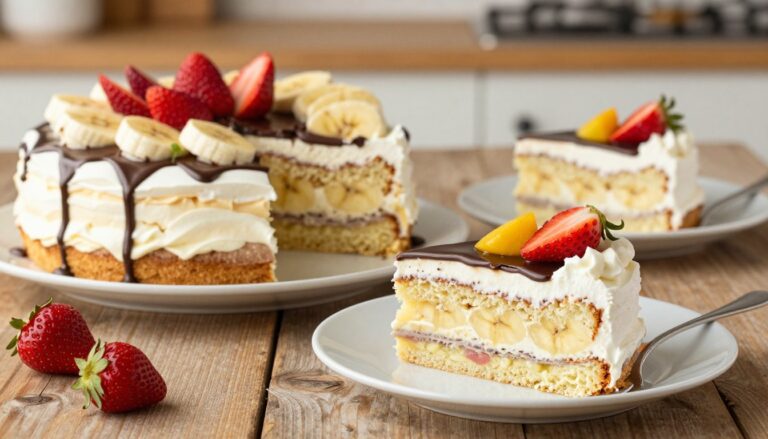

Can You Bake A Cake In A Glass Pan
I’ll answer the big question up front: yes, a batter will firm up nicely in a glass dish, but it behaves differently than metal. Glass heats slowly and then holds heat, so edges can set before the center finishes.
Think of glass as an insulator that runs its own bake game. That means lowering oven temperature about 25°F and watching the clock; many bakers add up to ten minutes more to the bake time.
This matters for rise, crumb and browning. Light-colored aluminum pans usually give more even color and lift, so I reach for them when I need picture-perfect layers.
For everyday treats, brownies and simple family cakes, glass pans are fine and forgiving. If precision matters, use a classic cake pan—or read this quick comparison for more details: glass vs. metal bakeware.
Yes, you can bake a cake in a glass pan—what changes compared to a metal pan
Glass slows down heat at first, then holds it longer than metal. That makes the oven feel different: the walls of the dish take a few minutes to warm, then act like a small heat reservoir.
Heat transfer basics
Metal is a good conductor and delivers heat quickly. Glass behaves like an insulator until it heats, then it retains heat and radiates it back. That means the same oven temperature will not produce identical results in glass versus metal.
Slower heating and cake structure
Slower initial heat can mean slower rise and a denser crumb for thicker batters. Rich, high-sugar mixtures set their structure earlier at the edges while the center still needs time. Expect slightly longer baking time for full doneness.
Why edges race ahead once the dish warms
Once glass gets hot, edges can brown fast because the warmed sides push extra heat into the batter. That sneaky heat sink effect causes overbaked sides before the middle reaches doneness.
- Use lower oven temps and watch earlier for browning.
- Center the dish on the middle rack for more even heat.
- Adjust total time—often a few to ten minutes extra for even results.
Choose the right glass baking dish before you start

Start by checking the label: not all glassware survives a hot oven. Make sure the manufacturer lists an oven rating and a maximum temperature. If a limit reads 450°F, do not exceed it.
Confirm oven-safe status and temperature limits
Read markings on the bottom or the manufacturer’s site. If the info is missing, skip the risk and use a known oven-safe dish.
Inspect for chips and scratches
Tiny chips and scratches create weak points. I toss any dish with visible damage to avoid shattering when heat hits.
Size, shape and batter depth matter
Glass pans vary in width and slope. A deeper dish makes a thicker batter layer and needs more minutes to finish.
| Glass type | Typical oven limit | Effect on bake | Quick check |
|---|---|---|---|
| Tempered | 350–450°F | Heats evenly; modest thermal shock resistance | Label, no cracks |
| Borosilicate | Up to 500°F | Best for sudden temp changes; steadier heat | Manufacturer info |
| Soda‑lime | 250–400°F | Cheaper; higher shatter risk with shock | Avoid if damaged |
Quick checklist before preheat: confirm oven rating, inspect for flaws, and sanity-check pan size against the recipe. These small steps make even baking, cleaner release, and fewer late surprises when the timer rings.
Can You Bake A Cake In A Glass Pan with the right oven temperature and timing
Switching from metal to glass means a small, predictable temperature and time trade-off in the oven. I drop the listed oven temperature by 25°F and plan for a bit more baking time. That combo keeps edges from racing ahead while the center finishes.
Lower the oven temperature by 25°F for glass
Reduce the temperature by 25°F whenever a recipe calls for a metal pan. The lower temperature compensates for glass holding heat once it warms. This prevents dark edges and a dry crumb.
Plan for a longer baking time (often up to about 10 minutes more)
Glass often needs extra minutes to reach full doneness. Add roughly five to ten minutes to the written baking time for comparable thicknesses. Thicker batter may take a little longer.
Start checking early: doneness cues that beat the clock
- Insert a toothpick: look for moist crumbs, not wet batter.
- Gently press the center: it should spring back.
- Edges should pull slightly from the pan and show light browning.
| Adjustment | Why it matters | How much | When to check |
|---|---|---|---|
| Oven temperature | Prevents overbrowned edges | -25°F vs metal | At two-thirds of original time |
| Baking time | Glass retains heat; centers finish slower | +5–10 minutes typical | Use toothpick at listed time |
| Rack placement | Even heat reduces bottom risk | Center of oven | Rotate if browning unevenly |
Step-by-step method for baking cake batter in a glass pan
Let’s walk through a fail-safe method to take batter from bowl to oven without drama. I keep each step short and practical so the bake stays predictable.
Prep the pan
Grease the baking pan thoroughly with butter or neutral oil, then dust with a little flour. For extra insurance, line the bottom with parchment—trim to fit so release is clean.
Fill level and pour
Pour batter to leave about 1 inch of headspace. That gap gives rise room and helps the center set without collapsing.
Rack position and when to rotate
Place the pan on the center rack for even heat. Avoid the bottom rack; glass warms and can overcook the bottom first.
Rotate once only if browning is uneven and the cake has mostly set—usually after most of the listed time has passed. Moving too soon can flatten the rise.
| Rule | Why | Quick tip |
|---|---|---|
| Fill level | Prevents overflow and collapse | Leave 1 inch headspace |
| Rack | Even top and bottom heat | Use center rack |
| Rotate | Fix uneven browning | After most bake time |
How glass affects cake results: bottom browning, edges, and texture
A clear baking dish rewrites several small rules about crust, color, and texture. The glass surface heats, then holds heat, so the bottom often browns beautifully once the dish is hot. Short bakes sometimes leave the center shy of full doneness while the base shows a golden crust.
Bottom crust and browning: when glass helps and when it hurts
Glass gives crisp, golden bottoms for pies and loaf-style baked goods when baking time is adequate. That same trait can cause a late-blooming bottom if the bake is brief. Check early and add a few minutes rather than upping temperature.
High-sugar, high-fat batters versus leaner recipes
Rich, sugary, or buttery recipes show stronger edge browning in glass once the sides heat. Those edges can caramelize fast and dry out. Lean sponge recipes tend to fare better because they need less surface browning to finish.
Why the dome and rise may differ from metal pans
Metal pans conduct heat faster from edge to center, which helps a higher dome. Glass warms slower and keeps heat near the sides longer, so domes may form lower. That’s physics, not failure—crumb can still be tender and even.
Use visibility to prevent underbaked bottoms
One real perk: you can watch the bottom color. If the top looks done but the base is pale through the glass, give it more time on a slightly lower temp to avoid overbrowned edges.
| Aspect | Glass effect | Tip |
|---|---|---|
| Bottom browning | Gusty golden crust once hot | Extend time slightly; avoid temp increases |
| Edges | Tend to brown faster in rich recipes | Lower oven by 25°F; watch early |
| Dome/rise | Slightly lower than metal pans | Use center rack; avoid early rotation |
| Doneness check | See-through advantage for base | Peek at bottom color before serving |
Common problems when you bake in glass—and how to fix them

If the edges look done while the center still sinks, that’s the glass telling you how it stores heat. Glass heats the rim, then keeps throwing warmth back at the batter. The fix: lower the temperature by about 25°F and add a few minutes of time. Check for doneness earlier than with metal pans.
Edges overbaked but center underdone
Cause: heated sides speed set and browning before the middle finishes. Adjustment: drop the oven temperature, move the dish to the center rack, and test with a toothpick at the recipe time minus five minutes.
Cake sticking to the dish
Grease generously, dust with flour, and use a parchment round for clean release. Press parchment into corners so the entire base lifts out. Let the baked good cool briefly before flipping; warm glass clings more than metal.
Too dark on the bottom
Try a higher rack, lower temperature, or a preheated baking sheet under the dish to buffer direct heat. If browning starts mid-bake, shield the edges with foil and extend minutes at the lower temp rather than raising heat.
| Problem | Quick cause | Fast fix |
|---|---|---|
| Dark edges | Hot sides | -25°F, center rack |
| Stuck base | Insufficient grease | Grease + parchment |
| Underdone center | Glass retains heat at edges | Longer bake, toothpick check |
Glass pan vs metal pan: when each is the best choice for cakes
When deciding which pan to pull from the cupboard, match the tool to the result you want. Choice of material affects rise, color, and how evenly a recipe finishes.
Why light-colored aluminum is the go-to for consistent layers
Light-colored aluminum is a superb conductor. It delivers steady heat that helps cakes rise evenly and keeps crumb predictable.
For layered cakes and showstopping bakes, I reach for metal pans because they give repeatable results and reliable top and bottom color.
When glass is the smarter pick: non-reactive baking
Glass is non-reactive, so it’s ideal with acidic ingredients—think lemon or berry fillings and certain pie recipes. Use a glass pan when flavors must stay pure and untarnished.
How pan color and finish change browning in the oven
Darker pans absorb and radiate more heat. That speeds browning at the edges and bottom, so lower oven temp about 25°F when using dark pans.
Shiny, light pans reflect heat and usually need less temperature adjustment for even baking.
| Material | Effect on heat | Best for |
|---|---|---|
| Light aluminum | Fast, even conduction | Layer cakes, consistent rise |
| Glass | Slower to heat, holds warmth | Acidic fillings, casual baked goods |
| Dark-coated metal | Faster surface browning | Quick browning; watch timing |
Bake confidently with glass pans every time
Small swaps—temperature down 25°F and minutes up—make success likely every time with a glass baking dish.
Trust cues over the clock: toothpick tests, a gentle spring in the center, and pale pull from the sides beat strict timing. That habit prevents dry edges and underdone middles.
Handle hot glass with care. Avoid sudden temperature shifts, cool on a trivet, and never place a heated dish onto a cold surface. Those steps keep it intact and safe.
Use glass for bars, simple family cakes, and acidic fillings. For delicate layered recipes, reach for metal when precision matters. Follow these rules and tasty baked goods will land on the counter—no drama, lots of applause.